
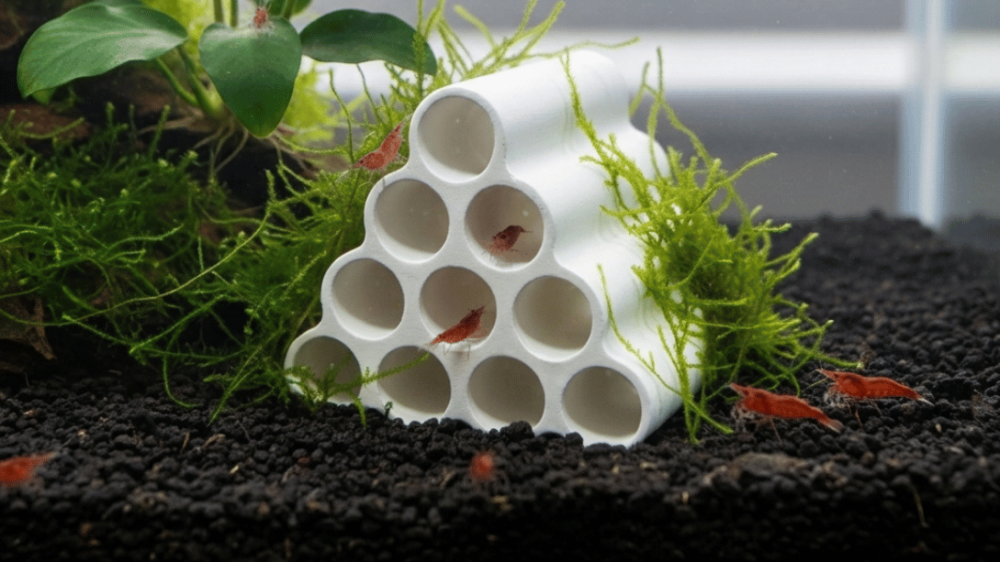
Shrimp tank — a beginner's guide
One of the most beautiful and peaceful aquariums — but you need a little understanding before you start.
1 - Which shrimp is suitable for beginners?
Neocaridina — the easiest and most robust choice for beginners . It tolerates water changes and reproduces easily. Common colors include red, blue, yellow, and black.
Caridina — For those interested, it requires pure water and careful handling. Its colors are stunning, but it demands a higher level of expertise.
Recommendation for beginners: Start with Neocaridina — you won't regret it.
2 — Preparing the basin
Size: Minimum 20 liters — 40 liters and more is better. More water means greater stability and fewer errors.
Filter: A sponge filter is best — soft, it pulls in small shrimp, and it's easy to maintain.
Soil:
- Neocaridina: Ordinary gravel or sand is sufficient.
- Caridina: Requires special soil that adjusts pH
Plants: Essential — they provide hiding places for shrimp and improve water quality. Easiest choices: Java Moss, Anubias, Java Fern.
3 — Water Treatments
Neocaridina: Temperature 22–26°C — pH 6.5–7.5 — TDS 150–250 Caridina: Temperature 22–24°C — pH 5.8–6.8 — TDS 100–150
Checking the water weekly is essential — shrimp are sensitive to any sudden change.
4 — Nutrition
- Very small quantities — too much spoils the water
- Two to three times a week is sufficient.
- The mature aquarium contains algae and natural bacteria that nourish them on their own.
- Specialized shrimp food is better than regular fish food.
5 — The most important mistake to avoid
Do not put the shrimp directly into a new tank.
The tank needs 4 to 6 weeks for the beneficial bacteria to develop and the treatments to stabilize. If you add shrimp before then, they will die from the ammonia.
Or buy a ready-made shrimp tank from Aqua Heaven — prepared and balanced from day one, no need to wait.
6 — Shrimp and fish
Common saying: "Don't put shrimp with fish." This is generally true — but it's not an absolute rule.
The truth: It depends on your fish's personality. The same species—one might ignore shrimp, while another will hunt anything that moves.
Fish that are generally successful with:
- Ember Tetras — small and quiet, rarely exposed to shrimp
- Neon Tetra — can thrive in a tank with sufficient hiding places; observe for the first two weeks.
- Corydoras — walks on the bottom and doesn't care about the shrimp
- Otocinclus — almost 100% safe
Betta with shrimp?
Some people use it and it works for years, while others wake up one morning and there's no shrimp. It depends on the betta's personality.
Many bettas are sold in complete isolation—a small cup, never having seen a living creature in their lives. When shrimp are suddenly introduced, it's natural for them to chase anything that moves. Not because they're aggressive—because they don't know anything else. Bettas raised in a dynamic and diverse environment are much calmer.
If you'd like to try:
- 40 liter basin and above
- Dense vegetation and hiding places on all sides
- Monitor daily for the first two weeks
- If you see a persistent chase — disperse immediately
The golden rule: The larger the tank and the more plants, the greater the chances of success. Babies and small shrimp are the most vulnerable—grown-ups can escape.
Summary:
Shrimp isn't difficult — it just requires patience at first. A stable tank, clean water, regular feeding — and the colony will reproduce on its own and you won't need to buy them again.
Browse the Aqua Heaven store — shrimp and tanks ready from day one